1974
220D Restoration (1974)
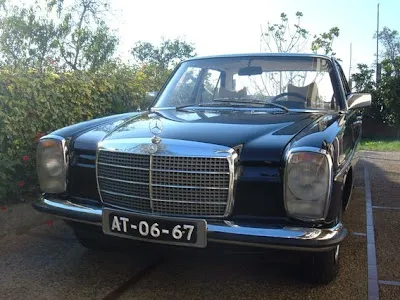
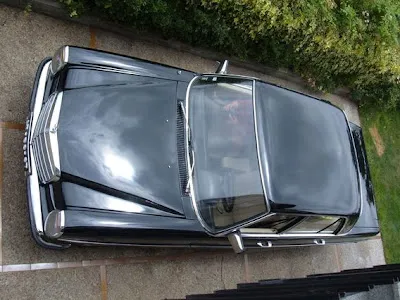
This was the start of a personal odyssey: choosing, restoring and bringing a Mercedes W115 220D back to life, piece by piece, with time, patience and a great deal of passion.
Christmas 2005
The choice
Over Christmas dinner in 2005 we came to the conclusion that classics have more charm, a je ne sais quoi that new cars lack. We wanted to restore the car ourselves: easy to rebuild, with affordable parts and cheap to run. A diesel W115 would be perfect — it is almost the slowest car in the world, but it is a Mercedes.
31 December 2005
The purchase
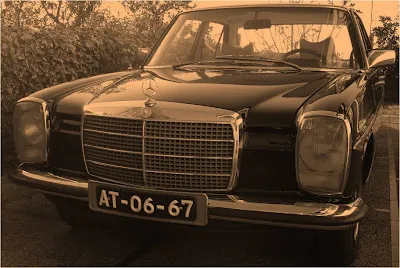
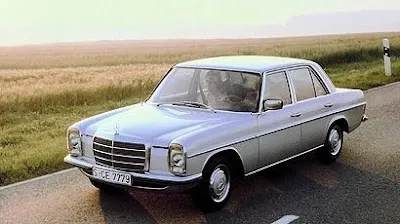
A few days later, I saw mine advertised for sale online. On 31 December 2005, on my way to the start of the Dakar, I made a detour through Viseu to see the “beast”. It did not even run: someone had put petrol in it. A few days later, we brought it home on a trailer.
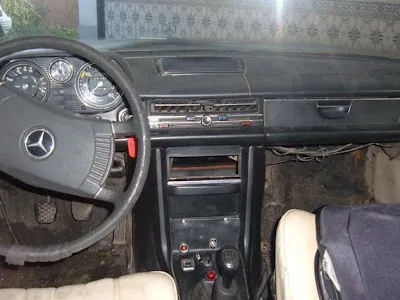
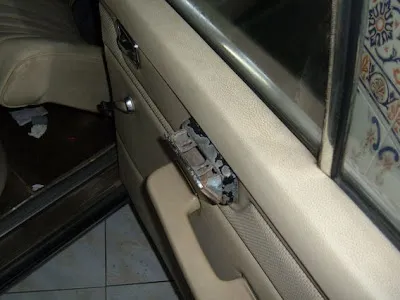
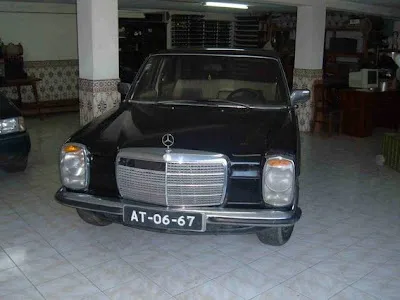
Stripping it down
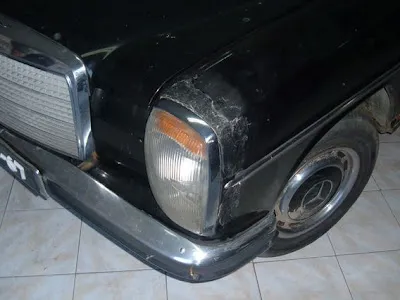
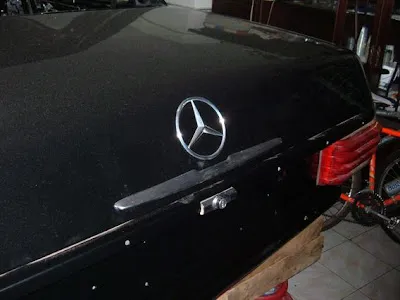
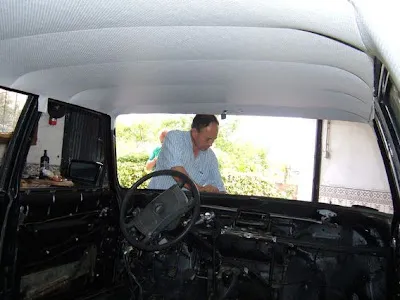
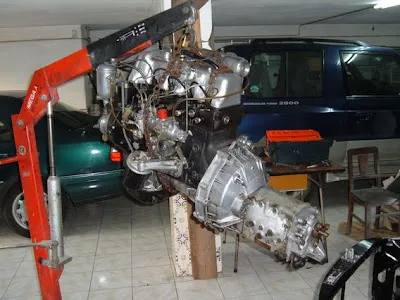
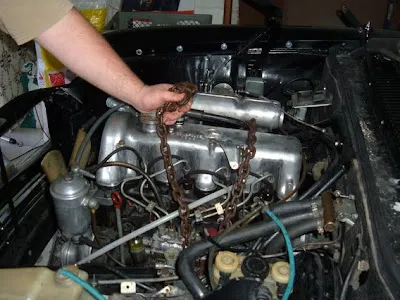
We began taking it all apart, cataloguing every part we removed, so that none would be left over when it went back together. It was stripped to the bone by my father and me — and neither of us had ever worked in the motor trade.
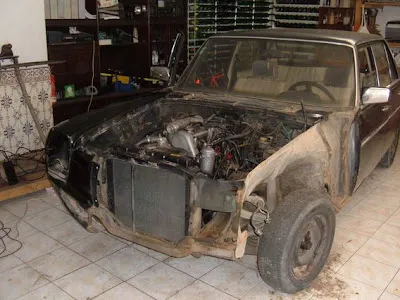
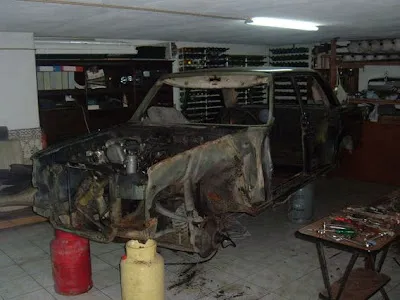
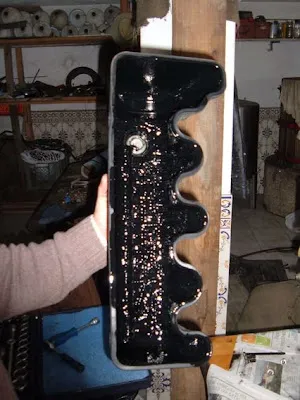
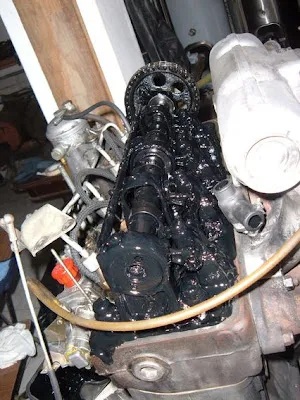
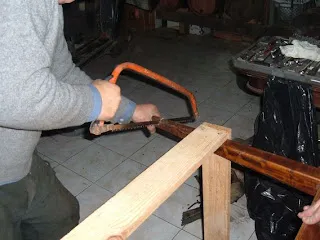
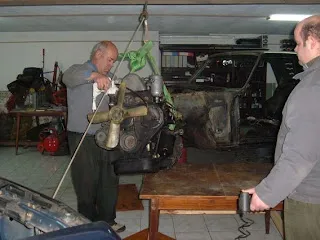
Bodywork, paint and engine
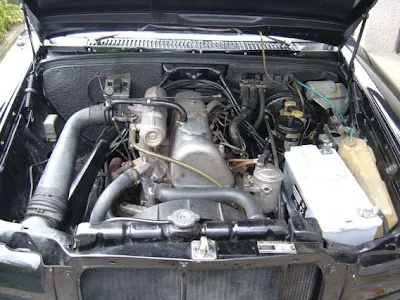
The bodywork and paint were done at a cousin's workshop, the engine was rebuilt by a specialist, the upholstery by professionals and the wiring by an uncle who is an auto electrician. Along the way, plenty of research, trips to scrapyards and hours online.
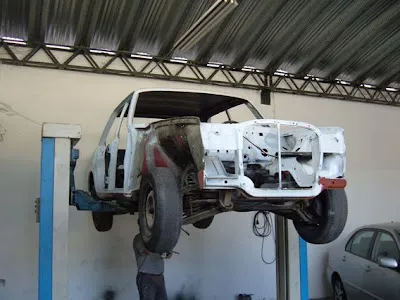
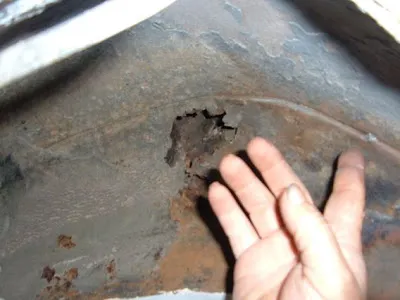
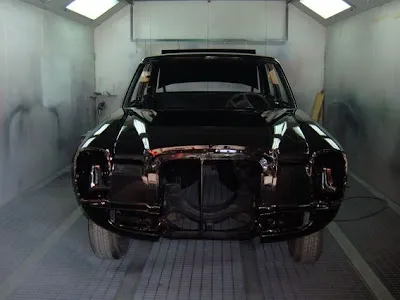
Putting it back together
Piece by piece, the car took shape again. Special thanks to Faísca and to Nuno Pinto, from the “ambenz” forum, who came to my house with his own W115 so I could see what a working W115 was like.
The first start
It was a fabulous experience in every way. The car turned out exactly as I wanted, in the condition I wanted.
The result
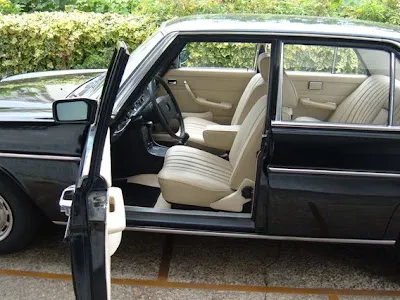
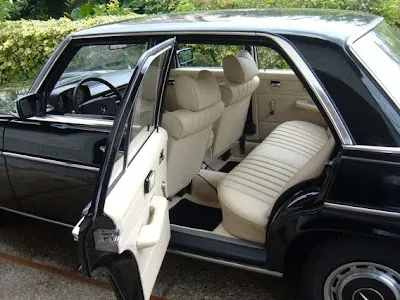
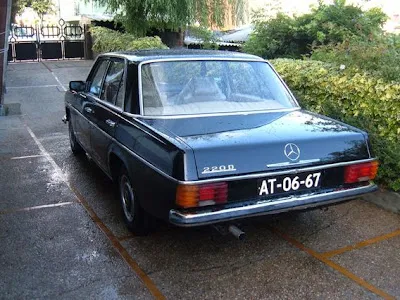
A comfortable saloon that forgives the imperfections of the road. With 60 hp it is slow, but it returns 8.3 l/100 km and cruises happily at 110–120 km/h. A “bathtub” with character — and one of my dream classics, done.
Read the full diary Pedro's full account, chapter by chapter
Christmas 2005
The choice
It all began with the passion for cars that consumes me. Over Christmas dinner in 2005 we were discussing cars at the table: speeds, fuel consumption, reliability, charm and everything else that goes with the world of cars. In my opinion and that of a few others there, we came to the conclusion that classics had more charm, a je ne sais quoi, that new cars lack. In today's consumer society a recent model is always spectacular, but as new models arrive from the same brand, or even from others, we stop giving them the importance they had when they were new.
It is like that old saying: beauty is fleeting. Who doesn't look at the current C-Class or E-Class and prefer it to the one immediately before? With much older models, those comparisons no longer exist. Nor would they be possible. There is no denying that most new cars, even from brands that are not considered prestigious, are incomparably superior to and better than old ones in comfort, handling and, in many cases, even reliability.
But the passing of the years, their by now relative rarity and the personality of certain old cars — especially those of this marque — give us a different kind of pleasure and take us back to a pleasant nostalgia for the simple things in life. And mind you, I am not even older than this car.
Having reached that conclusion, the question was which classic. We fell into the usual clichés: MGB, Triumph, Beetles, Minis, 2CV, Citroën Traction, Mercedes SL, BMW 2002, Porsche 911, and so on.
We had to narrow down the choices, as there were many factors to consider. The first was that we wanted to restore the car ourselves, not buy one already restored. It had to be a car that was easy to restore, with parts that were still relatively affordable, reliable after the restoration and economical to run.
I have always liked cars from the 60s and 70s, and I thought: a diesel W115 would be perfect. It is almost the slowest car in the world, but it is economical, reliable and comfortable, it has a look I love, parts are still easy to find, the mechanics are simple and it is a Mercedes.
31 December 2005
The purchase
The decision was made.
A few days later, I saw mine advertised for sale online.
On 31 December 2005 I went to see the start of the Dakar in Lisbon and, on the way, made a detour through Viseu to see the “beast”. It did not even run: someone had put petrol in its belly and it needed flushing, with the risk of damaging the injection pump.
A few days later we went to fetch it on a trailer and parked it at home.
Stripping it down
The odyssey had begun.
We began taking it all apart, cataloguing every part we removed, so that there would be no parts left over when it was reassembled.
It was stripped right down to the bone by my father and me. Even so, we had to call on outside help for the jobs we did not have the facilities or the skills to do ourselves. We had never worked in the motor trade in any capacity.
Bodywork, paint and engine
The bodywork repairs and paint were done at a cousin's panel-beating workshop, and he gave me a good discount. The engine was rebuilt by a specialist rather than at just any garage. The upholstery was also new and done by professionals, and the electrical work was finished by an uncle of mine who is an auto electrician.
And now you'll say: so you didn't do anything on the car yourself? Well, despite all that, taking a car apart and putting it back together really is a huge amount of work, far more than you might imagine. A great deal of research, trips to scrapyards and hours online, where many fellow enthusiasts gave invaluable help.
Putting it back together
I must single out, with great thanks, two members of the “ambenz” forum: Faísca, for his tips on websites where I could find information for my beast, and especially Nuno Pinto, who offered to come to my house with his own W115 so I could clear up my doubts and see what a working W115 was like.
The first start
But I will say this: it was a fabulous experience in every way. The car turned out exactly as I wanted, in the condition I wanted.
Along the way there were countless mishaps, which I will not describe, so as not to risk turning this into a book.
The result
For technical information on this model, you can find more details on this same website. So I will not go into that here, but rather describe this car and its extras, and share the driving pleasure it gives.
As you will have noticed, this car is a four-door saloon. It is remarkably comfortable for its passengers. It forgives practically every imperfection in the road — more than some modern cars, I would say — thanks to its independent suspension.
On the comfort front, it has headrests on the front seats, a folding armrest for the driver, a rear armrest, electric front windows, anti-glare mirrors adjustable from inside, an electric aerial, a clock and very effective heating, even for the rear passengers' feet.
As for how it drives, with just 60 hp in this body it is naturally slow — very slow, especially uphill. Even so, it has averaged 8.3 l/100 km for me, reaches 100 km/h fairly easily and makes for good journeys at a cruising speed of 110–120 km/h.
Dynamically it is the classic “bathtub”, rocking like a boat when you have to weave past a few cars, a result of suspension designed for passenger comfort. But that is part of its character.
The power steering is amazing: light, lighter than on my other cars. The huge, thin steering wheel completes the picture. The turning circle is what every Mercedes driver is used to: fabulous.
A very easy car to drive every day and economical to run.
So, one of my dream classics is bought and done. Now that I have an economical one, I can go for one with more style — less economical but simply fabulous: a 280 SL (Pagoda).
Who knows, one day…